Silent Road review: Night-shift taxi meets Japanese psychological horror
Silent Road, developed by Endflame, is a first-person psychological horror adventure that casts the player as a night-shift taxi driver. The game has players ferrying enigmatic passengers along abandoned highways and mountain passes while handling manual vehicle controls and occasional on-foot exploration. Key elements include character-centric passenger interactions, environmental puzzle-solving, and a J-horror visual palette with cyan-green tones and dense fog. It targets fans of narrative-driven horror and J-horror aesthetics who value mood and slow-building dread.
What kind of game is this and how you spend your time
In this game, play consists of a repeating loop of driving shifts and short-story detours, framed as taxi fares that reveal personal histories. The core loop emphasizes conversation and contextual choices rather than combat, with passengers delivering most narrative beats. Progression unfolds through destinations and the requests passengers make, so the player moves forward by accepting fares, navigating dark roads, and piecing together fragments of the region's curse.
Single-player pacing and how mechanics influence tension
Inside the single-player design, manual vehicle operation sets a deliberate tempo: steering, speed management, and route selection create quiet, mechanical tension between scenes. Environmental puzzles interrupt driving segments and require exploration at destinations, which breaks the loop into short, focused episodes. The game prioritizes psychological immersion over action, so expect measured encounters and scenario-driven reveals rather than fast reflex sequences.
What the game looks and sounds like
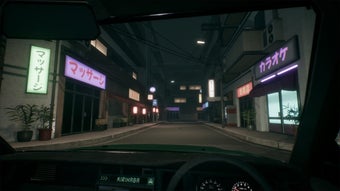
Visually the title draws from classic J-horror, using cyan-green tones and dense fog to obscure sightlines and exaggerate isolation. Night lighting and narrow mountain roads deepen claustrophobia, while patterned ambient sound and moments of near-silence underline dread. The in-vehicle interface keeps most information on the dashboard, and audio cues guide approach to landmarks and passenger prompts rather than signaling combat threats.
Replayability, audience fit, and how it compares to similar titles
Replay value comes from passenger-driven narrative variety and exploration of isolated villages; repeated runs reveal different dialogue and environmental detail. The developer's earlier work established a focus on atmosphere, so players who enjoyed Silent Hill or Fatal Frame-style storytelling will find comparable aims here. The niche taxi premise narrows the audience to players who prefer mood and character study over action-oriented horror.
A focused, atmosphere-first pick for patient horror fans
The game is a strong choice for players who prefer slow-burning, character-led dread and carefully staged atmosphere rather than combat. However, its deliberate tempo and niche taxi premise limit appeal for those seeking fast-paced scares. It is worth trying for fans of J-horror and narrative indie horror who want a mood-driven experience centered on passenger stories and isolated roadside exploration.